Invasive Non-native Species
Invasive Non-native Species
The Isle of Wight supports a rich and distinctive natural environment, with rivers, wetlands, woodlands and coastal habitats supporting a wide range of native wildlife. Invasive non-native species can place additional pressure on these habitats by spreading rapidly, outcompeting native species and changing the character of our river corridors.
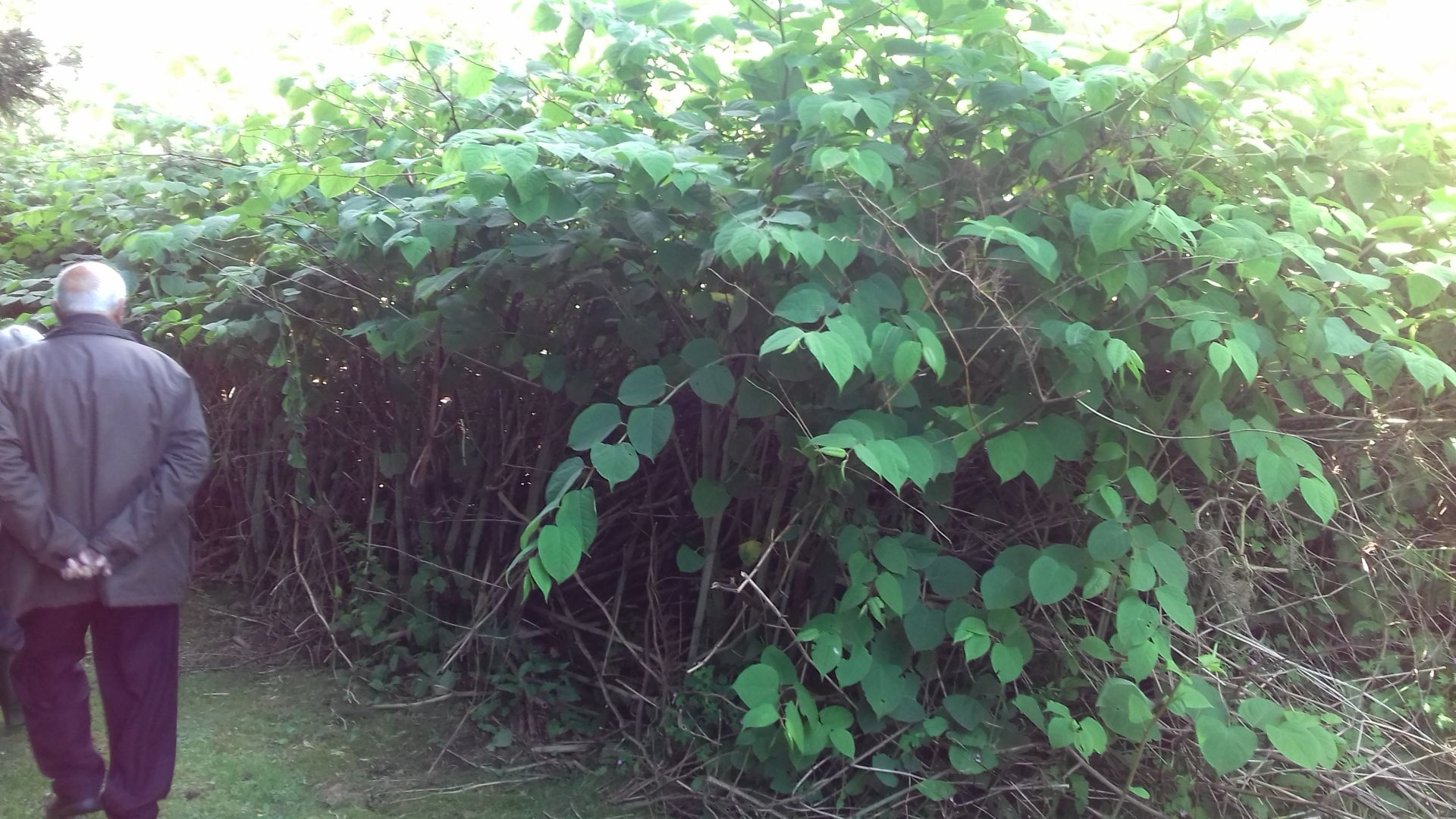
Natural Enterprise coordinates a long-term programme to control invasive non-native plants across the Island, with a particular focus on Himalayan balsam and Japanese knotweed in the Eastern Yar and Medina river catchments.
Himalayan balsam can quickly dominate riverbanks, shading out native plants before dying back over winter and leaving bare ground vulnerable to erosion. Japanese knotweed can form dense stands which displace native vegetation and can also damage hard surfaces and built infrastructure.
Our annual Himalayan balsam campaign brings together volunteers, landowners and partner organisations to tackle infestations systematically across the catchments. By returning to sites year after year and working along connected stretches of river, we aim to reduce the spread of invasive plants and give native vegetation the opportunity to recover.
Alongside invasive species control, we work with landowners to improve riverside habitat for native wildlife, including the Island’s important water vole populations. This includes restoring vegetation, improving habitat structure and helping river corridors become more resilient for the species that depend upon them.
Volunteer with us
Protecting the Island’s rivers is a long-term effort and volunteers are an important part of it. If you would like to get involved with our invasive species work, please fill in the form below.